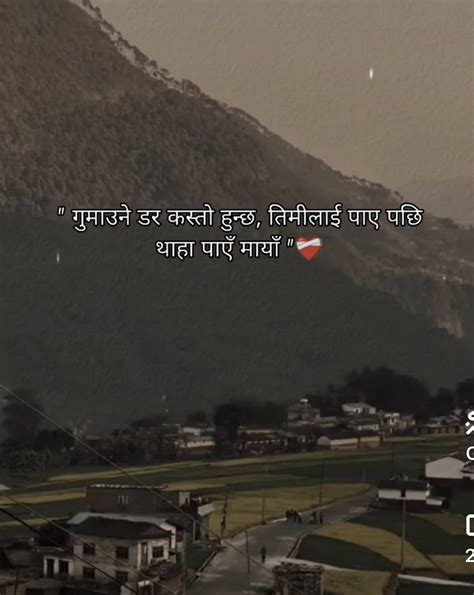
Missing Those Days: Understanding its Nepali Heart\n\nHey guys, ever had that feeling? You know, the one where a random scent, an old song, or even just a thought sends you spiraling back to a simpler, happier time? That’s what we’re diving into today! We’re going to talk about
missing those days
, a universal sentiment that really hits home, especially when you hear it in a language as rich and expressive as Nepali. It’s more than just a phrase; it’s a window into the heart and soul of a culture that deeply values its past, its relationships, and the memories woven into its very fabric. So, if you’re curious about the
meaning of ‘you are missing those days’ in Nepali
, or if you just want to understand the
deep emotional resonance
of nostalgia in this beautiful Himalayan nation, you’ve come to the right place. Get ready to explore how this simple sentiment connects us all, bridging gaps between languages and experiences. Let’s unpack the beauty and the melancholy of those cherished memories, and see how they’re expressed in the Nepali context, giving us a unique perspective on a shared human experience.\n\n## Decoding “You Are Missing Those Days” in Nepali\n\nWhen we talk about
missing those days
in Nepali, it’s not just a literal translation; it’s about capturing a specific feeling, a longing for a past that was perhaps more innocent, more vibrant, or simply different from the present. The direct translation of “You are missing those days” could be something like
“Timi ti dinharu samjhirahaka chhau”
(तिमी ती दिनहरू सम्झिरहेका छौ) or
“Timi ti dinharu yaad garirakheka chhau”
(तिमी ती दिनहरू याद गरिरहेका छौ), which literally means “You are remembering those days.” However, this doesn’t fully convey the
sentiment
of “missing.” To truly express the emotion of
missing those days
in Nepali, we often lean towards phrases that embody a sense of wistfulness, a gentle yearning for times gone by. For instance,
“Timi lai ti din haru ko yaad aai raheko chha”
(तिमीलाई ती दिनहरूको याद आइरहेको छ) translates to “You are remembering those days” but strongly implies that those memories are coming to mind, often with a sense of absence or longing. Another common and more evocative way to convey
missing those days
is
“Timi lai ti din haru ko rahar lageko chha”
(तिमीलाई ती दिनहरूको रहर लागेको छ) or
“Timi lai ti din haru ko dhukdhuki chha”
(तिमीलाई ती दिनहरूको धुकधुकी छ), which convey a strong
desire
or
longing
for those past days, sometimes even a pang of regret that they are over. These phrases beautifully capture the essence of what it means to truly
miss
something, rather than just recall it. It’s about the emotional weight attached to the memories, the feeling that a piece of you is still back there, reliving those moments. In Nepali culture, where community, family bonds, and the simplicity of life are often revered, the concept of
missing those days
carries a significant emotional charge. It could be
missing the carefree days of childhood
, the warmth of a family gathering, or the vibrant energy of a festival that has long passed. It’s a feeling that resonates deeply, often bringing a bittersweet smile to one’s face as they recount tales of yesteryears. The language itself, with its rich vocabulary for emotions, provides multiple avenues to articulate this deep sense of nostalgia, making it a powerful and relatable experience for many. So, when someone says you are
missing those days
in a Nepali context, they’re not just stating a fact; they’re acknowledging a shared human experience of longing for the past, a past that continues to live vibrantly in our hearts and minds.\n\n## The Deep Emotional Tapestry of Nostalgia in Nepal\n\nThe concept of
missing those days
isn’t just a fleeting thought in Nepal; it’s a deeply woven thread in the rich tapestry of its culture and emotional landscape. When Nepalis talk about
missing those days
, they often evoke a powerful sense of community, family, and a connection to nature that might feel less prominent in the fast-paced modern world. Think about it, guys: how many times have you heard elders reminisce about the simpler times? In Nepal, this isn’t just small talk; it’s a way of reaffirming cultural identity and sharing a collective memory. The feeling of
missing those days
often revolves around specific cultural touchstones. It could be the
unforgettable joy of Dashain and Tihar
, celebrated with extended family, kite flying, and delicious homemade treats. Or perhaps it’s the
serene beauty of village life
, where the rhythm of daily existence was dictated by the seasons and the sound of distant temple bells, a stark contrast to the hustle and bustle of city life many now experience. Childhood memories, in particular, hold a special place. The freedom of playing in open fields, climbing trees, sharing stories by the riverside – these are the
golden moments
that people often find themselves
missing those days
for. The strong emphasis on familial bonds means that memories of parents, grandparents, and childhood friends are cherished fiercely. There’s a beautiful, almost poetic quality to how Nepalis recount these memories, often with a gentle smile and a glint in their eyes, acknowledging both the beauty of the past and the reality of the present. This shared nostalgia creates a powerful sense of unity, a collective sigh of appreciation for what was. It’s a reminder of the values that were instilled, the lessons learned, and the enduring strength of relationships. The mountains, rivers, and fields of Nepal are not just geographical features; they are silent witnesses to countless personal histories, and when someone expresses
missing those days
, they are often longing for the familiar comfort of these landscapes, intertwined with their personal stories. It’s a profound testament to how culture, environment, and personal experiences converge to create a unique and deeply felt emotional experience, making the sentiment of
missing those days
universally understood yet uniquely Nepali.\n\n## Common Nepali Phrases Expressing Nostalgia\n\n### बचपनको सम्झना (Bachpan Ko Samjhana - Childhood Memories)\n\nWhen it comes to
missing those days
, especially the carefree and vibrant period of youth,
bachpan ko samjhana
(बचपनको सम्झना) is an absolute go-to phrase in Nepali. It literally translates to ‘childhood memories’ and encapsulates that pure, unadulterated longing for the days when responsibilities were few and joy was abundant. People often talk about
‘tyo bachpan ko dinharu kati ramailo thiyo’
(‘ती बचपनका दिनहरू कति रमाइलो थियो’), meaning ‘how fun those childhood days were,’ highlighting the deep emotional connection to their formative years. It’s about remembering innocent games, first friendships, and the wonder of discovering the world. For many, this phrase evokes images of playing hide-and-seek in the fields, sharing homemade snacks, or listening to folk tales under the stars. It’s a powerful trigger for
missing those days
of simple happiness.\n\n### पुरानो दिनहरू (Purano Dinharu - Old Days)\n\nA broader phrase used to convey the general sentiment of
missing those days
is
purano dinharu
(पुरानो दिनहरू), which simply means ‘old days’ or ‘past days.’ While it might seem straightforward, the context in which it’s used often imbues it with a deep sense of nostalgia and longing. When someone says,
‘purano dinharu samjhanchhu’
(‘पुरानो दिनहरू सम्झन्छु’), meaning ‘I remember the old days,’ there’s an implicit understanding that they are not just recalling facts, but rather
yearning
for the experiences, feelings, and people associated with that time. This phrase can refer to any period in the past—from youthful adventures to specific historical moments—and effectively captures the universal human tendency to look back fondly. It’s a subtle yet potent way of expressing that heartfelt desire to revisit or re-experience moments from a bygone era, truly
missing those days
with every fiber of their being.\n\n### कति रमाइलो थियो त्यो बेला (Kati Ramailo Thiyo Tyo Bela - How Fun It Was Then)\n\nFor those moments when you’re specifically thinking about the sheer joy and enjoyment of past times,
kati ramailo thiyo tyo bela
(कति रमाइलो थियो त्यो बेला) is the perfect expression in Nepali. This phrase translates to ‘how fun it was then’ or ‘those times were so enjoyable,’ and it perfectly articulates the sentiment of
missing those days
filled with happiness and laughter. It’s often said with a wistful smile, recalling specific events like festivals, family gatherings, or memorable outings. The emphasis here isn’t just on the passage of time, but on the
quality
of the experiences had. It directly points to the positive emotions associated with ‘those days’ and expresses a genuine longing for that same level of pure, unadulterated joy. It’s a delightful way to share the feeling of
missing those days
that were truly special and full of life.\n\n### ती दिनहरू सम्झँदा मनै लोभ्याउँछ (Ti Dinharu Samjhanda Manai Lobhyaunchha - Remembering Those Days Captivates the Heart)\n\nFor a more poetic and deeply emotional expression of
missing those days
, Nepalis often use
ti dinharu samjhanda manai lobhyaunchha
(ती दिनहरू सम्झँदा मनै लोभ्याउँछ). This beautiful phrase translates to ‘remembering those days captivates the heart’ or ‘my heart is enchanted when I remember those days.’ It goes beyond simple recollection; it speaks to the powerful emotional pull that past memories can have. It implies that the memories are not just present, but they
enthrall
and
charm
the soul, pulling one back into the past with a profound sense of longing and affection. This expression perfectly conveys the bittersweet nature of nostalgia, where the joy of remembrance is tinged with the sadness of their unrepeatable nature. It’s a testament to how deeply ingrained the sentiment of
missing those days
can be, affecting not just the mind but the very core of one’s emotional being, truly capturing the essence of a longing heart.\n\n## Why Missing Those Days is More Than Just Words\n\nGuys, when we reflect on
missing those days
, it’s crucial to understand that this feeling is far more than just a fleeting sentiment or a simple memory recall. It’s a powerful psychological and cultural phenomenon that plays a significant role in our well-being and identity, especially within the context of Nepali culture. Nostalgia, the academic term for
missing those days
, serves several vital functions. Firstly, it acts as a social glue. When people share stories of their past, particularly in a collective setting, it strengthens bonds and fosters a sense of shared heritage. In Nepal, where community ties are paramount, recounting tales of
purano dinharu
often brings families and friends closer, reminding them of their roots and the experiences that shaped them together. This isn’t just idle chat; it’s a reaffirmation of their collective history and mutual support. Secondly, nostalgia provides a sense of continuity and meaning. In times of change or uncertainty,
missing those days
can anchor us, reminding us of who we are and where we came from. It offers comfort by recalling periods when things felt simpler or more secure. For many Nepalis navigating rapid modernization, these memories offer a vital connection to traditions and values that might otherwise be lost. It’s a way to process change while holding onto a core sense of self. Furthermore, this longing for the past can be a significant source of emotional regulation. Studies suggest that nostalgia can combat loneliness, reduce stress, and even boost self-esteem by reminding us of cherished moments and significant relationships. When you’re
missing those days
, you’re often remembering moments of triumph, deep connection, or pure joy, which can provide a powerful emotional uplift in the present. It helps us appreciate the good times and often puts current challenges into perspective. The beauty of the Nepali expressions for
missing those days
lies in their ability to articulate this complex emotional landscape. They don’t just convey sadness; they also carry a profound sense of appreciation, gratitude, and a quiet strength derived from a rich personal history. So, next time you feel that pang of
missing those days
, remember you’re tapping into a fundamental human experience that is both deeply personal and universally significant, offering a profound connection to your past and a unique perspective on your present journey.\n\n## Practical Ways to Cherish “Those Days” Today\n\nFeeling that familiar pull of
missing those days
? Well, guys, instead of letting it become a source of melancholy, we can actually turn this beautiful sentiment into a positive and enriching experience! There are so many practical ways to cherish ‘those days’ and integrate the warmth of your past into your present life, rather than just passively longing for them. First off, consider
reconnecting with the people
who made those days so special. A simple phone call, a video chat, or even planning a reunion with childhood friends or distant relatives can reignite those old bonds and bring back a flood of wonderful memories. Sharing stories and laughing about past escapades is an incredibly powerful way to honor
missing those days
. Secondly,
revisit the places
that hold sentimental value. If it’s feasible, take a trip back to your old neighborhood, your ancestral village, or even a local park where you spent countless hours. Walking through those familiar streets or paths can be incredibly grounding, allowing you to literally step back into the feeling of
missing those days
while creating new present-day memories. Even if you can’t physically go, looking at old photos or watching videos can serve a similar purpose. Thirdly,
document your memories
. Start a journal where you regularly jot down anecdotes, feelings, and details about ‘those days.’ You could also create a digital scrapbook, write short stories, or even sketch scenes from your past. The act of creation solidifies these memories and gives them a tangible form, helping you to actively engage with the feeling of
missing those days
in a constructive way. This is not just about remembering; it’s about preserving your personal history. Fourth, and perhaps most importantly,
create new cherished memories
. While
missing those days
is a beautiful sentiment, life continues to unfold. Actively engage in new experiences, build new traditions with your current loved ones, and find joy in the present moment. This doesn’t diminish the past; instead, it enriches your life’s narrative, ensuring that you’ll have new ‘old days’ to look back on fondly in the future. Remember, guys, nostalgia isn’t about living in the past; it’s about drawing strength and warmth from it to enrich your present and inspire your future. So go ahead, embrace that feeling of
missing those days
and transform it into a vibrant part of your ongoing journey!\n\n## Embracing the Future While Honoring the Past\n\nFinally, guys, as we wrap up our exploration of
missing those days
and its profound significance in the Nepali context and beyond, it’s vital to strike a beautiful balance: how do we honor our past without letting it overshadow our present and future? The sentiment of
missing those days
should not be a tether that binds us to what’s gone, but rather a gentle push, a source of inspiration. Think of it this way: your memories of ‘those days’ are like precious treasures in a chest. You open it, admire the gems, feel the warmth, and then close it, carrying that warmth with you as you move forward. We can learn so much from our past experiences, the challenges we overcame, the joys we shared, and the lessons we absorbed. This rich personal history can actually
fuel our resilience
and
shape our aspirations
. For example, if you’re
missing those days
of vibrant community gatherings, perhaps that longing can inspire you to organize a new community event or strengthen bonds with your current neighbors. If you miss the simplicity of village life, maybe you can incorporate more mindfulness or nature into your daily routine wherever you are. The key is to interpret the longing as a guide, identifying what elements of ‘those days’ truly resonated with you and finding ways to integrate their essence into your current life. It’s about taking the
wisdom
and
warmth
from
missing those days
and using it to consciously build a fulfilling present and an exciting future. It reminds us of the core values that truly matter – connection, joy, simplicity, resilience. Moreover, embracing the future doesn’t mean forgetting the past; it means understanding that growth and evolution are natural. Every new experience, every new challenge, every new relationship adds another layer to our life’s story. By actively shaping our present, we are, in essence, creating the ‘good old days’ for our future selves. So, let that feeling of
missing those days
be a gentle, reassuring echo from your past, a reminder of the beautiful journey you’ve had, and a silent encouragement to continue creating even more wonderful memories ahead. It’s a testament to a life lived fully, with a heart open to both yesterday’s lessons and tomorrow’s endless possibilities. Keep moving forward, but never forget the beautiful path you’ve already walked.
