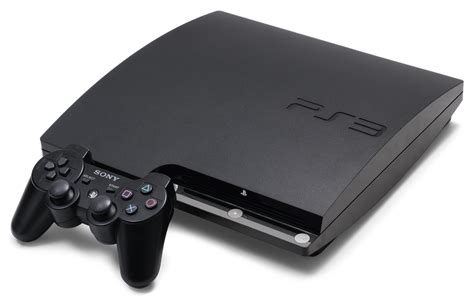
PlayStation vs Nintendo: Console Wars Reignite! Hey
guys
, ever wonder what it’s like when two titans of the gaming world,
PlayStation
and
Nintendo
, go head-to-head? Well, buckle up because we’re diving deep into the epic, ongoing console wars. It’s not just about sales figures or who has the
best
graphics; it’s about fundamentally different philosophies that have shaped our beloved hobby for decades. From the hardcore, cinematic experiences of PlayStation to the innovative, family-friendly fun of Nintendo, these two giants constantly push the boundaries of what’s possible in interactive entertainment. This isn’t just a friendly rivalry; it’s a constant push and pull that ultimately benefits
us
, the players, by fostering incredible innovation and a diverse landscape of games. So, whether you’re a loyal PlayStation fanatic, a devoted Nintendo enthusiast, or someone who loves both, get ready to explore why this perennial clash is so utterly fascinating. We’re going to break down their histories, their unique strengths, and even peer into the crystal ball to see what the future might hold for these two gaming behemoths. It’s an exciting time to be a gamer, and understanding this dynamic rivalry only makes it richer. ## The Eternal Rivalry: Why PlayStation and Nintendo Keep Us Hooked The
eternal rivalry between PlayStation and Nintendo
isn’t just a marketing ploy,
folks
; it’s a foundational pillar of modern gaming, a saga spanning generations that has kept us
all
utterly hooked. Think about it: since Sony first stepped into the console arena, challenging Nintendo’s long-held dominance, the gaming landscape has never been the same. It started with a failed partnership back in the early 90s, a moment that ironically led to the birth of the PlayStation and set the stage for one of the most compelling competitive narratives in tech history. This isn’t just about selling consoles; it’s about crafting entire ecosystems, designing experiences that resonate with different player demographics, and constantly innovating to stay one step ahead. Nintendo, with its
rich history
dating back to the late 1800s, brought us timeless characters like Mario and Zelda, pioneering intuitive gameplay and an unwavering focus on fun, often through unique hardware. They invented the D-pad, rumble, and motion controls, truly changing how we interact with games. Their strategy has always been about thinking
outside the box
, ensuring their games are accessible and enjoyable for
everyone
, from the youngest gamer to the most seasoned veteran. On the other side,
PlayStation
burst onto the scene in the mid-90s, quickly establishing itself as a powerhouse with its focus on cutting-edge 3D graphics, mature storytelling, and a vast library of third-party support. Sony carved out its niche by appealing to a slightly older audience, those who were growing up with gaming and desired more sophisticated narratives and technological prowess. They embraced CDs over cartridges, which allowed for larger games and full-motion video, propelling gaming into a new era of cinematic experiences. What truly differentiates these two, and what makes their rivalry so captivating, is their
unique identities
. Nintendo consistently emphasizes
innovation in gameplay mechanics
and communal, family-friendly experiences. Their consoles often introduce novel ways to play, whether it was the N64’s analog stick, the Wii’s motion controls, or the Switch’s hybrid form factor. They’re not always chasing the highest graphical fidelity, but rather the most
engaging
and
distinctive
way to interact with their wonderfully imaginative worlds.
PlayStation
, conversely, often chases
technological supremacy
and delivers highly polished, often narrative-driven blockbusters with stunning visuals and immersive sound design. They cater to a demographic that values raw power, cinematic immersion, and a deep, often complex, single-player journey. Think
God of War
,
The Last of Us
, or
Spider-Man
. Their online services, their integration with media, and their focus on high-fidelity performance define their appeal. This dichotomy – innovation vs. immersion, family vs. mature, unique mechanics vs. raw power – is precisely why both thrive, even as they compete fiercely. They don’t just fight for market share; they expand the very definition of what gaming can be. And honestly,
guys
, that’s pretty darn cool for all of us. This dynamic ensures that there’s always something new, something different, and something exciting to look forward to, no matter which side of the fence you find yourself on, or if you happen to be enjoying both! ## PlayStation’s Power Play: Immersive Worlds and Cutting-Edge Tech When we talk about
PlayStation’s power play
, we’re often talking about its unwavering commitment to delivering
immersive worlds
and pushing the boundaries of
cutting-edge technology
. From the very first PlayStation, Sony has aimed to provide experiences that feel grand, cinematic, and incredibly detailed. They quickly established themselves as the console for serious gamers who wanted the absolute
best
graphics, the most complex narratives, and the most visceral gameplay. This philosophy has consistently driven their hardware development, leading to systems like the PlayStation 2, which became the best-selling console of all time, and the PlayStation 4, which dominated its generation. Sony’s strength lies in its ability to harness raw processing power to render incredibly realistic environments and character models, drawing players deep into their digital realms.
Think about it
: games like
Ghost of Tsushima
or
Horizon Forbidden West
are not just games; they’re digital masterpieces that transport you to stunning landscapes, brimming with intricate details and lifelike animations. Their focus isn’t just on raw power, though.
PlayStation
has also been at the forefront of integrating new technologies that enhance the gaming experience. Remember the original DualShock controller with its groundbreaking rumble feedback, or the PlayStation 2’s DVD playback capabilities that made it an entertainment hub? More recently, the PlayStation VR headset, despite its niche status, showcased Sony’s dedication to exploring
new frontiers in immersion
. They are always thinking about how to make you
feel
more connected to the game, whether through haptic feedback and adaptive triggers on the DualSense controller or through bespoke audio solutions that make every rustle of leaves or distant explosion feel incredibly real. This dedication ensures that when you boot up a PlayStation game, you’re not just playing; you’re
experiencing
something meticulously crafted and technologically advanced. It’s about creating moments that stick with you, scenes that make your jaw drop, and gameplay loops that are as satisfying as they are beautiful. ### The PlayStation Ecosystem: Beyond Just Gaming The
PlayStation ecosystem extends far beyond just gaming
,
folks
, transforming the console into a comprehensive entertainment hub. It’s not just a machine to play games on; it’s a gateway to a broader digital lifestyle. Services like
PlayStation Plus
offer a treasure trove of benefits, including online multiplayer access, monthly free games that often include genuine blockbusters, and exclusive discounts. This service has become an
essential part
of the PlayStation experience, constantly adding value and keeping players engaged with new content. Beyond gaming, PlayStation consoles are also powerful media centers. From streaming your favorite shows on Netflix, Disney+, or HBO Max, to listening to music on Spotify, your PlayStation unit is designed to be the central entertainment device in your living room. The ease with which you can switch between a high-octane gaming session and a relaxing movie night is a testament to Sony’s holistic approach. Furthermore, the PlayStation Store offers a vast digital marketplace for movies, TV shows, and, of course, a monumental library of games, from indie darlings to AAA behemoths. It’s all interconnected, creating a seamless and user-friendly experience that keeps you glued to the PlayStation brand. This robust ecosystem ensures that owning a PlayStation is about more than just the games; it’s about a complete and integrated entertainment solution. ### Flagship Exclusives: Where PlayStation Shines Brightest But let’s be real,
guys
, where
PlayStation truly shines brightest is with its flagship exclusives
. These are the games that define the brand, the absolute
must-play titles
that often justify the purchase of the console itself. We’re talking about cinematic masterpieces like
God of War
, a franchise that masterfully combines brutal combat with deeply emotional storytelling. The journey of Kratos and Atreus is not just a hack-and-slash; it’s a poignant exploration of fatherhood, fate, and the struggle for redemption, all rendered with
stunning graphical fidelity
. Then there’s the incredible
Marvel’s Spider-Man
series, which allows you to swing through a vibrant, living New York City, embodying the iconic web-slinger with fluid combat and a compelling narrative. Insomniac Games truly knocked it out of the park, making you
feel
like Spider-Man. And who could forget
The Last of Us
? Naughty Dog’s post-apocalyptic sagas are renowned for their gripping narratives, complex characters, and unflinching exploration of humanity in its darkest hours. These games aren’t just technical showcases; they’re emotional rollercoasters, delivering unparalleled storytelling that often pushes the boundaries of interactive media. Other stellar examples include the awe-inspiring open worlds of
Horizon Zero Dawn
and
Horizon Forbidden West
, the intense samurai action of
Ghost of Tsushima
, and the high-octane racing thrills of
Gran Turismo
. These
exclusive jewels
are more than just games; they are cultural phenomena that consistently raise the bar for what video games can achieve, cementing PlayStation’s reputation as a premium destination for unforgettable, story-driven experiences. It’s these incredible first-party studios and their phenomenal output that keep fans coming back for more, generation after generation. ## Nintendo’s Creative Kingdom: Innovation, Fun, and Family-Friendly Magic Now, let’s pivot to
Nintendo’s creative kingdom
, a realm synonymous with
innovation, unparalleled fun, and that undeniable family-friendly magic
. While PlayStation often leans into raw power and cinematic narratives, Nintendo has consistently charted its own course, prioritizing unique gameplay mechanics and universally appealing experiences. Their history is littered with groundbreaking ideas that have redefined how we play. From the NES making gaming a household staple to the SNES refining platformers and RPGs, Nintendo has always been about crafting
joyful, memorable moments
. They aren’t always about the bleeding edge of graphical fidelity; instead, they focus on
ingenious game design
and hardware that encourages new ways to interact. Think about the Nintendo 64’s analog stick, which truly opened up 3D gaming, or the Nintendo DS’s dual screens and touch controls that revolutionized handheld gaming. Nintendo’s brilliance lies in its ability to take simple concepts and execute them with an incredible level of polish and creative flair, making games that are easy to pick up but incredibly difficult to master. They understand that true innovation isn’t always about more pixels; sometimes, it’s about a revolutionary control scheme or a game world that sparks pure wonder. This philosophy has fostered a brand identity built on accessibility and delight. While PlayStation often targets a more mature audience with its gritty narratives, Nintendo embraces
everyone
. Their games are designed to be enjoyed by all ages, making them perfect for family game nights or casual play sessions with friends. The sheer
charm
and
whimsy
of their flagship titles are unmatched, creating a sense of nostalgia for older players and pure excitement for new ones. Nintendo’s approach isn’t just about selling a console; it’s about selling an
experience
—an experience filled with laughter, friendly competition, and a sense of shared adventure. They consistently prove that you don’t need photorealistic graphics to tell compelling stories or create deeply engaging gameplay. What you need is a strong vision, iconic characters, and a commitment to fun above all else. This focus on unique, engaging experiences, rather than just raw technical specs, is a huge part of what makes Nintendo so enduringly popular and why their ‘creative kingdom’ remains so vibrant and influential in the gaming world. ### The Switch Phenomenon: Hybrid Gaming Redefined The
Nintendo Switch is arguably the greatest example of Nintendo’s philosophy: hybrid gaming redefined
. When it launched,
guys
, it wasn’t the most powerful console on the market, but it offered something no other console could: the unparalleled freedom to play
anywhere, anytime
. This ingenious design, allowing seamless transition from a home console docked to a TV to a portable handheld device, was a
game-changer
. It broke down the traditional barriers of where and how we game, fitting perfectly into modern, busy lifestyles. Whether you’re commuting, traveling, or just want to snuggle up on the couch, the Switch adapts to you. The unique Joy-Con controllers, with their modular design and motion-sensing capabilities, further enhanced this versatility, facilitating everything from solo adventures to impromptu multiplayer sessions with friends.
Imagine
: whipping out a Joy-Con to challenge a pal to
Mario Kart
or
Smash Bros.
on the go! This isn’t just a console; it’s a social device, fostering shared experiences and making gaming more accessible than ever. The Switch’s success isn’t solely about its hardware; it’s about the
experience
it enables, proving that convenience, versatility, and sheer fun can trump raw horsepower in the hearts of many gamers. It’s truly a testament to Nintendo’s vision of making gaming a flexible, integrated part of our daily lives, and it absolutely smashed expectations. ### Iconic Franchises: Nintendo’s Untouchable Legacy When we talk about
Nintendo’s untouchable legacy
, we’re inevitably talking about its
iconic franchises
. These aren’t just game series; they are cultural touchstones, instantly recognizable characters and worlds that have captivated generations. Let’s start with
Mario
, the plucky plumber who has redefined platforming countless times, from the pixelated wonders of the NES to the expansive 3D worlds of
Super Mario Odyssey
. Every new Mario game is an event, a masterclass in joyous level design and innovative mechanics that consistently raise the bar for platforming games. Then there’s
The Legend of Zelda
, a franchise synonymous with epic adventures, intricate puzzles, and breathtaking exploration. Games like
Breath of the Wild
and
Tears of the Kingdom
aren’t just critically acclaimed; they’re revolutionary open-world experiences that grant players unparalleled freedom and emergent gameplay, inviting them to discover secrets at every turn. And we absolutely cannot forget
Pokémon
, the global phenomenon that combines creature collection, strategic battling, and a deep sense of companionship. From its humble beginnings on the Game Boy, Pokémon has exploded into a multi-billion dollar franchise spanning games, anime, movies, and merchandise, creating a passionate community worldwide. These are just the tip of the iceberg,
guys
. Nintendo’s stable of superstars includes the high-octane races of
Mario Kart
, the frantic brawls of
Super Smash Bros.
, the adorable animal inhabitants of
Animal Crossing
, and the strategic depth of
Fire Emblem
. Each of these franchises brings something unique to the table, and critically, each is consistently delivered with
Nintendo’s signature polish and commitment to quality
. It’s these incredible, beloved characters and the consistently innovative gameplay experiences they deliver that form the bedrock of Nintendo’s enduring appeal, cementing its place as a creative powerhouse in the gaming world. ## The “Strike” Moment: Where Do They Clash and Converge? The concept of a ‘strike’ moment, where
PlayStation and Nintendo clash and converge
, is perhaps more nuanced than a simple head-to-head battle,
folks
. While they often target different demographics, there are undeniable points of friction and unexpected areas of overlap that make this rivalry so dynamic. Traditionally, PlayStation has owned the market for hardcore, graphically intense, single-player cinematic experiences, appealing to an older, more dedicated gaming audience. Nintendo, on the other hand, has excelled in family-friendly, innovative, and often multiplayer-focused games that appeal to a broader, more casual demographic, often bringing new players into the fold. However, the lines are blurring. Consider the indie scene, for instance. Both platforms have become
incredible homes for independent developers
, offering a vast array of unique, often quirky, titles that don’t fit the traditional AAA mold. You’ll find beloved indies like
Stardew Valley
,
Hades
, and
Celeste
thriving on both PlayStation and Switch, proving that there’s a significant segment of gamers who appreciate clever design and compelling gameplay regardless of the platform’s raw power or the developer’s budget. This convergence in the indie space is a huge win for players, as it means more incredible games are accessible across different ecosystems. Furthermore, while Nintendo is famous for its family appeal, games like
The Legend of Zelda: Breath of the Wild
proved that its flagship titles can also appeal to the most dedicated, ‘hardcore’ gamers with their depth, complexity, and expansive worlds. Similarly, PlayStation has made strides in offering more diverse and accessible experiences, including casual titles and, surprisingly, even embracing local co-op in some instances, albeit not to the same extent as Nintendo. ### Head-to-Head: Hardware Battles and Sales Figures When it comes to
hardware battles and sales figures
, the ‘strike’ is much more direct,
guys
. Historically, the PlayStation has often outpaced Nintendo in raw power specs, especially during the PS2, PS3, and PS4 eras, generally leading to better graphics and performance. However, Nintendo’s success with the Wii and now the Switch has shown that
innovation in form factor and gameplay
can trump raw horsepower in the market. The Switch’s hybrid design allowed it to dominate during its prime, selling millions of units and effectively creating its own category. PlayStation, meanwhile, has continued its pursuit of graphical fidelity with the PS5, offering stunning visuals and lightning-fast load times. The sales figures often ebb and flow, reflecting different market cycles and consumer preferences. For example, during certain periods, the Switch has outsold the PS5 globally, showcasing the power of its unique selling proposition. This isn’t just about who sells more units overall, but about who captures the zeitgeist at a particular moment, who offers the most compelling experience
for their target audience
. The console wars aren’t always a direct fight; sometimes, it’s a strategic dance around different market segments, each company playing to its unique strengths, trying to carve out the largest slice of the gaming pie. It’s a fascinating dynamic where sheer power doesn’t always guarantee victory, and clever innovation can often steal the show. ### The Battle for Gamers’ Wallets and Hearts Ultimately, the most significant ‘strike’ is
the battle for gamers’ wallets and hearts
. Both PlayStation and Nintendo are vying for our attention, our time, and our hard-earned cash. They do this through exclusive games, innovative features, compelling services, and clever marketing. PlayStation hooks us with its cinematic blockbusters, its powerful hardware, and its extensive ecosystem that often includes media consumption. It appeals to those who want a premium, high-fidelity experience, often with a mature, narrative focus. Nintendo, conversely, captures our hearts with its iconic characters, its accessible and innovative gameplay, and its undeniable charm that appeals to families and those seeking unique, joyful experiences. They sell the idea of shared fun, portability, and imaginative worlds. For
us
, the players, this competition is nothing short of awesome. It forces both companies to constantly innovate, to refine their offerings, and to push the boundaries of what gaming can be. Without this fierce rivalry, we wouldn’t have the incredible diversity of games and hardware that we enjoy today. Each company acts as a check and balance on the other, ensuring that neither becomes complacent. While they might appear to operate in different spheres, every new game release, every hardware announcement, and every strategic move by one company invariably influences the other. It’s a perpetual chess match,
guys
, where the moves are subtle yet impactful, and the ultimate winners are always the gamers who get to enjoy the fruits of this intense, creative competition. ## What’s Next for the Gaming Titans? Predicting the Future So, what’s next for these
gaming titans, PlayStation and Nintendo
? Predicting the future in the fast-paced world of technology and entertainment is always a bit tricky,
folks
, but we can definitely see some emerging trends that will shape their next moves. Both companies are constantly looking ahead, not just at the next console generation, but at how gaming itself will evolve. One of the biggest overarching themes is the continued expansion of services and ecosystems. We’ve seen PlayStation leaning heavily into its PlayStation Plus tiers, offering vast game catalogs and cloud streaming, clearly signaling a move towards a more subscription-based model akin to Netflix for games. Nintendo, while typically more traditional, has also expanded its Nintendo Switch Online service to include retro game libraries and expansion packs for modern titles, albeit at a slower, more curated pace. This focus on recurring revenue and long-term engagement means that simply selling a console and a few games won’t be enough; it’ll be about keeping players invested in their entire digital world. Another critical area is the intersection of gaming with other forms of entertainment. PlayStation has been particularly aggressive in adapting its successful game franchises into movies and TV shows, with
The Last of Us
HBO series and
Twisted Metal
being prime examples. This strategy not only expands the reach of their IPs but also strengthens brand loyalty and introduces gaming narratives to a wider audience. Nintendo, too, has seen massive success with
The Super Mario Bros. Movie
, proving the immense power of its beloved characters in other media. This trend of transmedia storytelling is only going to intensify, blurring the lines between interactive entertainment and traditional passive viewing. Furthermore, both companies are undoubtedly researching and developing what comes after their current hardware iterations, even if those details are kept under tight wraps. We can expect more powerful chips, more innovative control schemes, and perhaps even further integration with augmented or virtual reality technologies, though their approaches will likely remain distinct. PlayStation might pursue more advanced VR, while Nintendo might focus on AR or unique mixed-reality experiences that leverage its innovative control philosophy. ### Emerging Technologies and Cloud Gaming’s Role The role of
emerging technologies, especially cloud gaming
, is poised to be a significant factor in the strategies of both PlayStation and Nintendo,
guys
. Cloud gaming services, like PlayStation Plus Premium’s streaming options or Xbox Cloud Gaming, promise the ability to play high-fidelity games without needing powerful local hardware. This could be a game-changer, potentially democratizing access to graphically intensive titles and extending the reach of gaming to devices beyond dedicated consoles. PlayStation is already invested in this space, offering a library of streamable PS3, PS4, and even some PS5 titles. This allows them to reach players on PCs or other devices, expanding their potential audience beyond just console owners. Nintendo, traditionally more cautious with bleeding-edge tech, also dipped its toes into cloud streaming for a few demanding titles on the Switch, like
Control
and
Resident Evil Village
, acknowledging the limitations of its hardware. While it’s unlikely Nintendo would abandon dedicated hardware soon, the potential for a
hybrid cloud-native approach
for future systems isn’t out of the question, perhaps allowing for more graphically ambitious games to run on less powerful, more portable devices. The challenge for both will be ensuring low latency and a seamless experience, but the potential to broaden their appeal and lower the barrier to entry for high-quality gaming is undeniable. Cloud gaming presents both a threat and an opportunity, forcing these titans to consider how their offerings can evolve to meet the demands of an increasingly connected and on-demand world, potentially shaking up the very foundation of how games are delivered and consumed. ### Will Cross-Play Bridge the Divide? A fascinating question for the future is,
will cross-play bridge the divide
between PlayStation and Nintendo? Historically, console platforms have been walled gardens, largely isolating player communities. However, in recent years, we’ve seen a growing trend towards cross-play, allowing gamers on different platforms to play together in games like
Fortnite
,
Minecraft
, and
Rocket League
. While PlayStation has embraced cross-play for many third-party titles, Nintendo has also been open to it, particularly for games where a large, unified player base is beneficial. This shift signifies a growing understanding that, for many players,
playing with friends, regardless of their preferred console
, is paramount. The true ‘bridge’ moment would be widespread first-party cross-play, or even cross-progression, between direct competitors – a scenario that remains highly unlikely for their exclusive flagship titles due to commercial and strategic reasons. However, the increasing acceptance of cross-play for multi-platform games suggests a future where the console choice dictates your
exclusive experiences
but doesn’t necessarily restrict you from playing popular titles with your diverse group of friends. This could foster a more inclusive gaming environment, blurring the lines between console loyalties in certain contexts. While a full merger of ecosystems is pure fantasy,
guys
, the continued push for more interconnected multiplayer experiences could subtly soften the edges of the console wars, allowing gamers to coexist and compete across the digital divide in ways that were once unimaginable. This represents a significant evolution in the gaming landscape, prioritizing community over strict platform segregation for many titles. ## So, Who Wins in This Epic Showdown? (Spoiler: We Do!) So, after all this talk about
PlayStation vs Nintendo
, their unique strengths, their historical clashes, and their future directions, the burning question remains:
who wins in this epic showdown
? Well,
guys
, here’s the spoiler you might have already guessed:
we do!
As gamers, we are the ultimate beneficiaries of this fierce, creative, and sometimes intense rivalry. Think about it: without Nintendo pushing the boundaries of innovative gameplay and accessible fun, would PlayStation have been compelled to continually refine its hardware and cinematic storytelling? And without PlayStation’s relentless pursuit of graphical fidelity and mature narratives, would Nintendo have felt the urge to consistently reinvent its franchises and hardware to offer unique, compelling alternatives? This competitive tension forces both companies to constantly be at the top of their game. They can’t afford to be complacent, knowing that millions of eager gamers are ready to jump ship if another platform offers a more compelling experience. The result is an incredibly rich and diverse gaming landscape. Whether you crave the deep, narrative-driven epics of PlayStation, with their stunning visuals and complex characters, or you prefer the joyful, innovative, and endlessly replayable adventures of Nintendo, with their iconic worlds and family-friendly magic, there is truly something for everyone. Many of us,
myself included
, even choose to own both, enjoying the best of both worlds and appreciating the distinct experiences each platform offers. This duality ensures that innovation never truly stalls. One focuses on expanding the artistic boundaries of storytelling, while the other redefines the very mechanics of play. This continuous pushing and pulling, this friendly (and sometimes not-so-friendly) competition, is what drives the industry forward. So, the next time you pick up your DualSense controller or your Joy-Cons, take a moment to appreciate the incredible journey these two titans have taken, and continue to take, to bring us the games we love. The console wars might rage on, but it’s a war where the gamers always emerge victorious, with an ever-growing library of unforgettable adventures at our fingertips. Long live the console wars, because they truly make gaming
awesome
for all of us!
