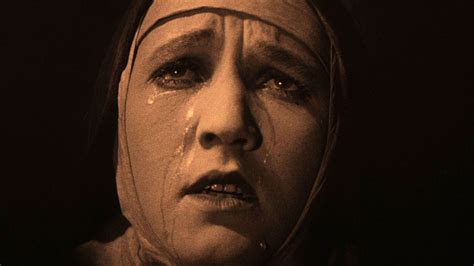
The Blair Witch Project: Why It Still Terrifies Us Hey guys, let’s talk about
The Blair Witch Project
, a film that seriously
redefined horror
when it dropped back in ‘99. This isn’t just any old movie review; we’re diving deep into why this
found footage masterpiece
continues to chill us to the bone even today. Seriously,
The Blair Witch Project
isn’t just a movie; it’s an experience, a phenomenon that tricked an entire generation into believing three student filmmakers actually vanished in the cursed Black Hills Forest. Its raw, unpolished style and revolutionary marketing campaign weren’t just clever; they were
game-changing
, setting a new standard for how low-budget horror could achieve monumental scares and cultural impact. We’re going to unpack all the layers, from its ingenious use of ambiguity to the
psychological terror
it masterfully inflicts, and explore why, for many of us, the fear it conjures feels incredibly
real
even after all these years. This flick proved that sometimes, what you
don’t
see is far scarier than any CGI monster, leveraging our primal fears and the power of suggestion to create an atmosphere of dread that few films have managed to replicate. So, grab a flashlight, maybe a comfy blanket, and let’s journey back into the woods to understand the enduring power of this independent horror gem. It’s a testament to minimalist filmmaking and an absolute masterclass in building tension without jump scares, proving that true terror comes from within and from the
unknown
lurking just out of sight. Trust me, even if you’ve seen it a dozen times, there’s always something new to appreciate in its unsettling depths. This
Blair Witch Project review
isn’t just a trip down memory lane; it’s an examination of cinematic history and its lasting footprint on the horror genre. We’re talking about a film that dared to be different, that leaned into its limitations, and in doing so, created something truly extraordinary and unforgettable for fans of genuine, bone-chilling horror. The discussion around this film has evolved over time, moving from initial shock and debate over its authenticity to a deeper appreciation of its artistic merits and its clever subversion of traditional horror tropes. It’s a film that demands your imagination, forcing you to fill in the terrifying blanks, and that’s precisely where its lasting power lies. It doesn’t spoon-feed you jump scares; it
builds
fear, slowly and methodically, until you’re absolutely convinced something evil is just beyond the camera’s shaky frame. This film essentially rewrote the rulebook for what independent cinema could achieve, proving that innovation, clever storytelling, and a keen understanding of human psychology can be far more impactful than massive budgets and star power. It’s a must-watch for anyone who truly wants to understand the evolution of horror cinema in the late 20th century. # The Genius of Found Footage: A Masterclass in Minimalism The
found footage genre
owes a massive debt to
The Blair Witch Project
, and for good reason. This film didn’t just popularize the style; it practically perfected it, especially in its initial execution. Imagine this: three film students, a single camera, and a terrifying legend. The brilliance here isn’t in flashy effects or complex set pieces – in fact, it’s the
absence
of those things that makes it so utterly effective. Directors Daniel Myrick and Eduardo Sánchez understood that true horror often comes from a raw, unadulterated perspective, making the audience feel like
they
are the fourth person in that group, experiencing the dread firsthand. The shaky, amateur camerawork, the frantic zooms, and the sudden drops were initially jarring for audiences, but they quickly became integral to the film’s immersive quality. You’re not just watching a movie; you’re sifting through
evidence
, piecing together a horrifying narrative from fragmented, unedited footage. This technique, while now a staple, was revolutionary in 1999, forging an unbreakable link between the viewer and the terrifying ordeal unfolding on screen. Every rustle in the leaves, every distant crack of a twig, every muffled scream feels incredibly
authentic
precisely because the camera is unreliable, imperfect, and wholly human. The film doesn’t show you the witch; it shows you the
fear
of the witch, reflected in the deteriorating sanity of its protagonists and the terrifying uncertainty of their situation. This minimalist approach was a stroke of genius, turning budgetary constraints into stylistic strengths. They used the lack of resources to their advantage, creating an environment where sound design and the unseen became the primary sources of terror. Think about it: the creepy stick figures, the piles of rocks, the children’s laughter in the dead of night – these are simple, low-tech elements that achieve maximum psychological impact. This isn’t just a film; it’s a testament to the power of imagination, both the filmmakers’ and the audience’s. They gave us just enough information to let our minds run wild, filling in the terrifying blanks with our deepest, darkest fears. The genius of
The Blair Witch Project
lies in its ability to tap into our primal anxieties about being lost, vulnerable, and hunted in the wilderness, all through the lens of a handheld camera. It’s a masterclass in how to build unbearable suspense without ever showing a monster, proving that sometimes, the
suggestion
of evil is far more potent than any visual manifestation. This groundbreaking approach not only saved on special effects budgets but also forced viewers to confront their own interpretations of terror, making the experience deeply personal and undeniably chilling. The shaky cam, initially criticized by some, became the very heartbeat of the film, transforming it from a mere narrative into a visceral, suffocating experience. It’s a brilliant demonstration that sometimes, the less you show, the more terrifying the impact, pulling the audience into a nightmare where their own minds are the most potent weapon of fear. # Character Development and the Spiral into Madness One of the most underrated aspects of
The Blair Witch Project
is how effectively it portrays the
descent into madness
of its three main characters: Heather Donahue, Joshua Leonard, and Michael C. Williams. These aren’t just archetypes; they feel like real people, complete with their flaws, frustrations, and ultimately, their profound terror. In the beginning, they’re ambitious, a bit cocky, and full of journalistic zeal, armed with cameras and a mission to document the local legend. We see their dynamic, their arguments, their attempts at humor, which all contribute to a sense of authenticity. Heather, the self-proclaimed leader, starts off confident, driving the project with a determined, almost obsessive energy. Josh is the most skeptical, often clashing with Heather but also providing moments of levity. Mike is the more laid-back sound guy, seemingly along for the ride. But as they get deeper into the Black Hills Forest, and the strange, unsettling occurrences begin – the missing map, the eerie stick figures, the unidentifiable sounds – their personalities begin to fray under the relentless pressure. This slow, agonizing deterioration is a huge part of the film’s psychological horror. We witness their frustration turn to fear, their camaraderie dissolve into blame, and their sanity slowly unravel. Heather’s iconic confessional monologue, where she tearfully apologizes to their families, is a pivotal moment, showcasing her breaking point and the crushing weight of her responsibility. It’s raw, it’s real, and it’s absolutely heartbreaking. Josh’s disappearance and Mike’s subsequent breakdown further amplify the horror, leaving Heather isolated and utterly terrified. The tension among them is palpable, adding another layer of claustrophobia to their already desperate situation. They turn on each other, question each other’s decisions, and the bonds that initially held them together snap under the immense stress of the
unseen entity
stalking them. This isn’t just a story about a witch; it’s a profound exploration of human endurance and mental fragility when confronted with inexplicable, unrelenting terror. Their journey from hopeful filmmakers to desperate, whimpering victims is painstakingly documented, making their ultimate fates feel incredibly earned and genuinely tragic. You feel their hunger, their exhaustion, their despair, making their panic truly infectious. The film brilliantly uses their personal struggles and interpersonal conflicts to heighten the sense of dread, proving that internal conflict can be just as terrifying as external threats. The way they react to the escalating horror – from rationalization to outright panic – mirrors how many of us might respond in similar, terrifying circumstances. This human element, the
relatability
of their fear, is precisely what makes their story so enduringly chilling and why audiences continue to connect with their ordeal decades later. The filmmakers understood that to truly scare an audience, you first have to make them care about the characters, and
The Blair Witch Project
excels at this, making their terrifying spiral into madness all the more impactful. # The Unseen Monster: Psychological Terror at its Best What truly sets
The Blair Witch Project
apart, and why it remains a benchmark for psychological horror, is its masterful use of the
unseen monster
. Unlike countless horror films that rely on jump scares or explicit creature features, this movie understands that the most terrifying things are often those that exist solely in our imagination. The
Blair Witch
herself is never shown; she’s only hinted at through subtle, increasingly disturbing phenomena. We hear unsettling sounds – twigs snapping, children’s laughter, distorted whispers – but we never see the source. We find bizarre, ritualistic stick figures and piles of rocks, suggesting a malevolent, ancient presence, but no clear image. This ambiguity is the film’s greatest strength, allowing our minds to conjure something far more terrifying and personal than any CGI creation could ever be. It forces us to confront our own primal fears: the fear of the unknown, the fear of being lost, and the fear of a pervasive, inescapable evil that you can’t fight because you can’t even perceive it. The genius lies in making the
absence
of the witch a character in itself. The terror isn’t just about what’s
out there
; it’s about what the characters
believe
is out there, and how that belief slowly erodes their sanity. The fear is palpable in their frantic whispers, their wide-eyed glances, and their desperate pleas. Every rustle in the trees, every creak of a branch becomes a source of pure dread, magnified by the characters’ escalating panic. The directors expertly crafted an environment where the audience is constantly on edge, constantly searching the dark corners of the shaky camera’s frame for a glimpse of the evil, only to be met with frustrating, terrifying emptiness. This psychological warfare is far more effective than any monster reveal, because it taps into a universal human experience of confronting the unexplainable. It plays on our deepest anxieties about vulnerability and the thin veil between reality and folklore. The film doesn’t just scare you; it
haunts
you, making you question what’s real and what’s imagined, long after the credits roll. The iconic final scene, where Mike is standing in the corner facing the wall while Heather screams, is a perfect encapsulation of this principle. We don’t see what’s happening to him, but the implication, combined with the legend of Rustin Parr, is infinitely more chilling than any visual could be. It leaves us with a gut-wrenching sense of unresolved terror, confirming that the most potent fear is often the one we create ourselves. This subtle, pervasive dread is why
The Blair Witch Project
cemented its place in horror history, proving that a well-crafted suggestion can be infinitely more terrifying than any explicit visual, making the audience an active participant in their own horror experience. It’s a masterclass in how to weaponize the imagination, creating a lasting unease that resonates deeply. # Legacy and Influence: Shaking Up the Horror Genre The
legacy of The Blair Witch Project
is undeniable, fundamentally shaking up the horror genre and influencing countless films that followed. When it first hit theaters, this independent horror film was unlike anything audiences had ever seen. It wasn’t just a movie; it was a cultural phenomenon, fueled by one of the most brilliant and groundbreaking marketing campaigns in cinematic history. The filmmakers, Artisan Entertainment, and their savvy team created a website with fake police reports, missing persons files, and interviews, all designed to make people genuinely believe the footage was real. This blurring of lines between fiction and reality was revolutionary, setting a new standard for viral marketing and proving that a low-budget film could achieve massive mainstream success through sheer ingenuity and audience engagement. This clever marketing alone could fill a textbook, guys, but its impact stretched far beyond the promotional aspects. Post-
Blair Witch Project
, the
found footage subgenre
exploded. Films like
Paranormal Activity
,
REC
,
Cloverfield
, and dozens of others owe a huge debt to its pioneering spirit. It showed aspiring filmmakers that you didn’t need a multi-million dollar budget or A-list stars to create truly terrifying and impactful cinema. All you needed was a compelling idea, a strong narrative, and a deep understanding of what truly scares people. It democratized filmmaking in a way, inspiring a generation of horror enthusiasts to pick up cameras and tell their own stories, pushing the boundaries of what was considered scary. Beyond found footage, its influence seeped into the broader horror landscape by emphasizing
psychological terror
over gore, and
atmosphere
over explicit monsters. It reminded filmmakers and audiences alike that dread, suspense, and the power of suggestion can be far more potent than any special effect. It taught us that sometimes, the true horror comes from within, from the slow unraveling of sanity, and from the terrifying potential of the unknown. This film didn’t just scare us; it changed the conversation around horror, proving that creativity and smart storytelling could triumph over spectacle. It’s a film that continues to be studied in film schools, analyzed by critics, and debated by fans, solidifying its status as a true cult classic and an essential piece of horror cinema history. Its raw, unpolished aesthetic became a style in itself, embraced by subsequent filmmakers seeking to create a similar sense of immersive, terrifying reality. The enduring discussion about its authenticity, even years later, speaks volumes about how deeply it embedded itself into the cultural psyche. It didn’t just influence
how
horror films were made; it influenced
how
they were marketed and
how
audiences engaged with them, creating a template for independent success that continues to inspire. This flick truly broke the mold and carved out a unique space in cinematic history, proving that innovation can be the most terrifying tool in a filmmaker’s arsenal. # Final Verdict: Does The Blair Witch Project Still Hold Up? So, after all these years, after countless imitations and evolving horror trends, does
The Blair Witch Project
still hold up? The answer, unequivocally, is a resounding
yes
. For many, myself included, it remains a powerful, deeply unsettling experience that proves true terror isn’t about grotesque creatures or excessive gore; it’s about the primal fear of the unknown, the slow burn of psychological dread, and the terrifying vulnerability of being truly lost. While some might find the shaky cam a bit much now that the
